
About Us
essentialdata.us is a collaborative effort to document the value of federal data for everyday Americans. These use cases support federal agency implementation of the bipartisan Evidence Act of 2018, which requires that agencies understand “how data users value and use government data".
This collection wouldn't be possible without the contributions of federal data users and stakeholders like you.
essentialdata.us website is supported by a generous grant from the Alfred P. Sloan Foundation

The Core Team
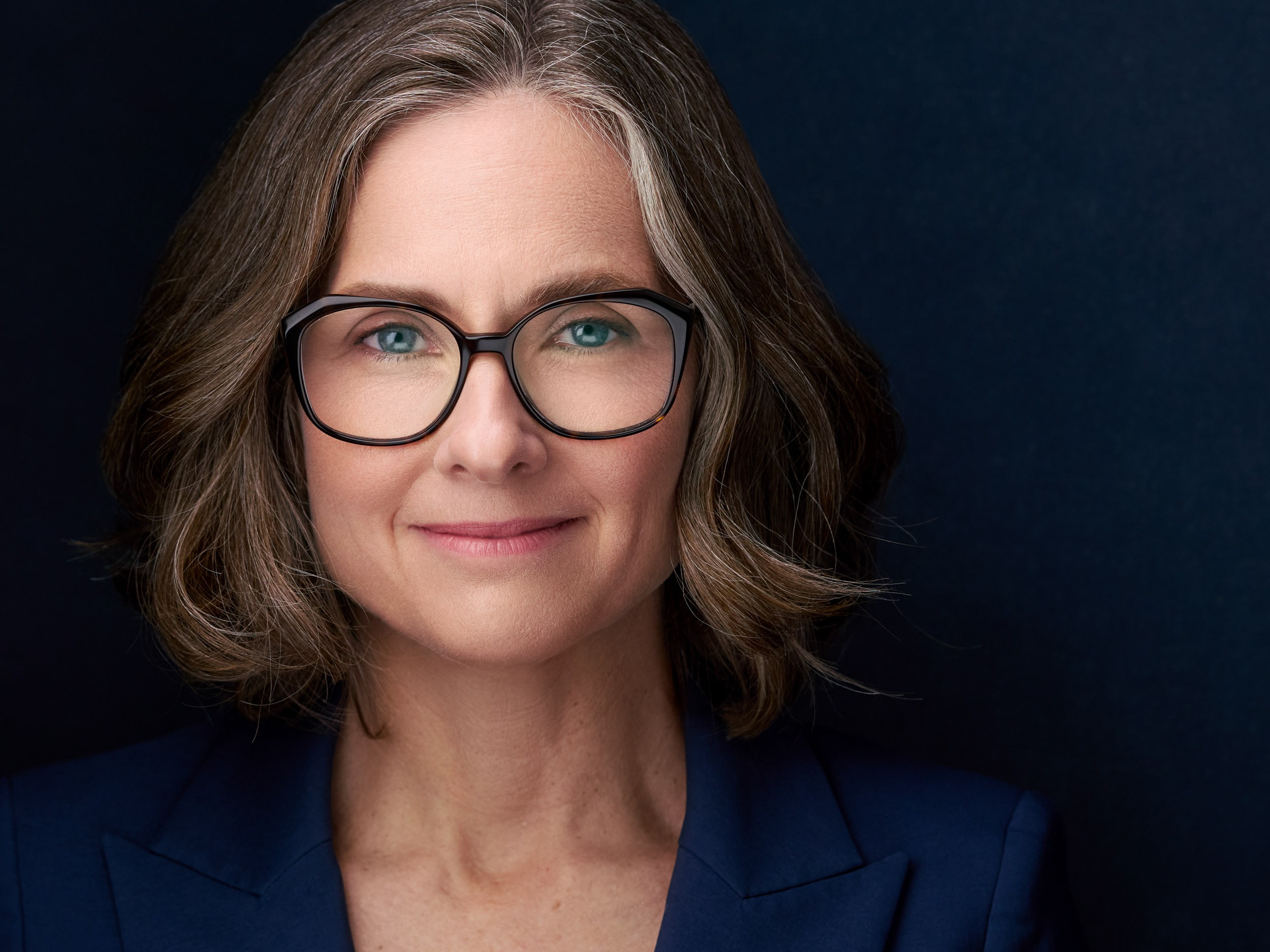
Denice Ross

Former U.S. Chief Data Scientist
Denice's mission is to build a more resilient national data infrastructure. Most recently, she served as the Deputy U.S. Chief Technology Officer and as the U.S. Chief Data Scientist, where she led the charge to use disaggregated data to drive better outcomes for all Americans. Denice's 25-year career using data to serve the public interest has spanned federal and local government, academia, and the nonprofit sector plus domains ranging from climate to policing.

Chris Dick
Former Chief, Population Evaluation, Analysis & Projections Branch, United States Census Bureau
Chris' mission is to ensure the provision of essential data for the betterment of all. Chris' 15 year career has included work in the federal government, the private sector, and as a consultant to federal, state, and local governments as well as non-profit organizations. As a demographer and data scientist, his work has always centered on the development and use of data to engage and serve the public.

Amanda Alvarez
Amanda is a data and computational scientist who has addressed challenges across multiple domains over a 20-year career. As a committed proponent of data accessibility, she has brought her technical expertise to both the private sector and public interest initiatives. Her work has informed policy decisions, supported advocacy efforts, advanced scientific research, and created solutions that improve outcomes across commercial, educational, and civic spaces.

Audrey Denson
Audrey Denson is passionate about collaborating with organizational teams to communicate brands with clarity and impact. Her work spans branding, social media campaigns, data visualization, publications, websites, and strategic communications for research, public policy, advocacy, and nonprofit organizations. Audrey partners closely with clients to create thoughtful design solutions that make information more accessible, strengthen engagement, and support meaningful outcomes.

Ben Gradeck
Ben is a web developer and recent graduate from the University of Pittsburgh with a degree in Computer Science and Human-Centered Design. He’s interested in designing engaging, accessible websites for government and non-profit organizations. While working with Pittsburgh’s local government, Ben developed a foundation in data governance and improving public access to open data.

Beth Jarosz
Beth has 25 years of experience in demographic and socioeconomic analysis to support public policy. She has expertise in the decennial census, American Community Survey, and indicators of health and well-being. She is active in the federal statistical community and has a long history of working with California data (from both state and federal sources) across a wide variety of subjects ranging from air quality to school enrollment to industry employment.

Kate Kohn
is a Senior Communications Manager for the Federation of American Scientists, who focuses on digital design, social engagement, and everything that makes you go “oh, fun!”.
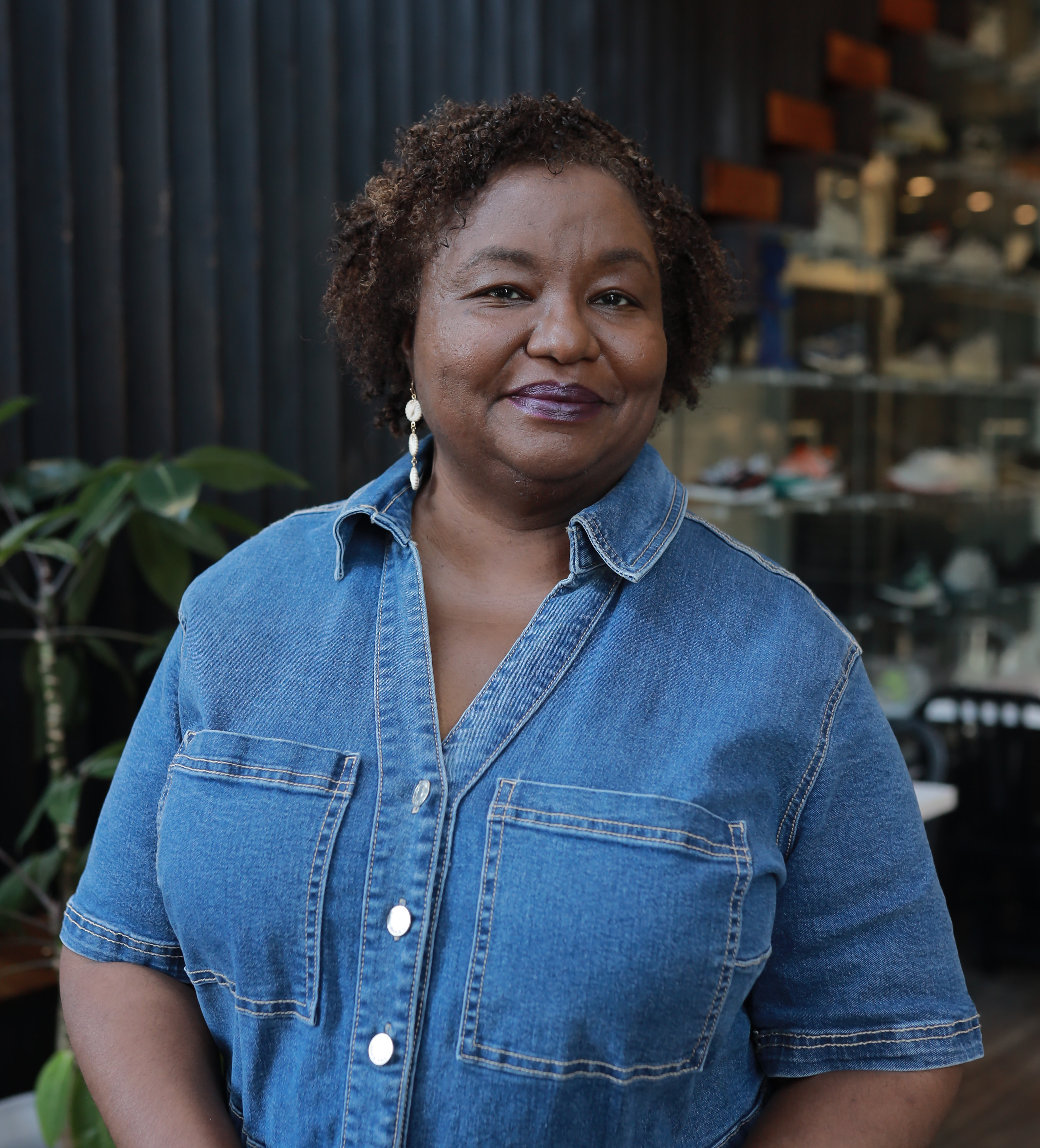
Katina Stapleton
Katina’s mission is to make research and public information clear and useful for the people it’s meant to serve. She spent two decades at the U.S. Department of Education’s Institute of Education Sciences, leading national research and training programs and creating opportunities for underrepresented scholars and minority-serving institutions. Katina also co-led plainlanguage.gov and the federal Plain Language Community of Practice, leadership that earned her the Service to the Citizen Award for helping agencies communicate clearly.
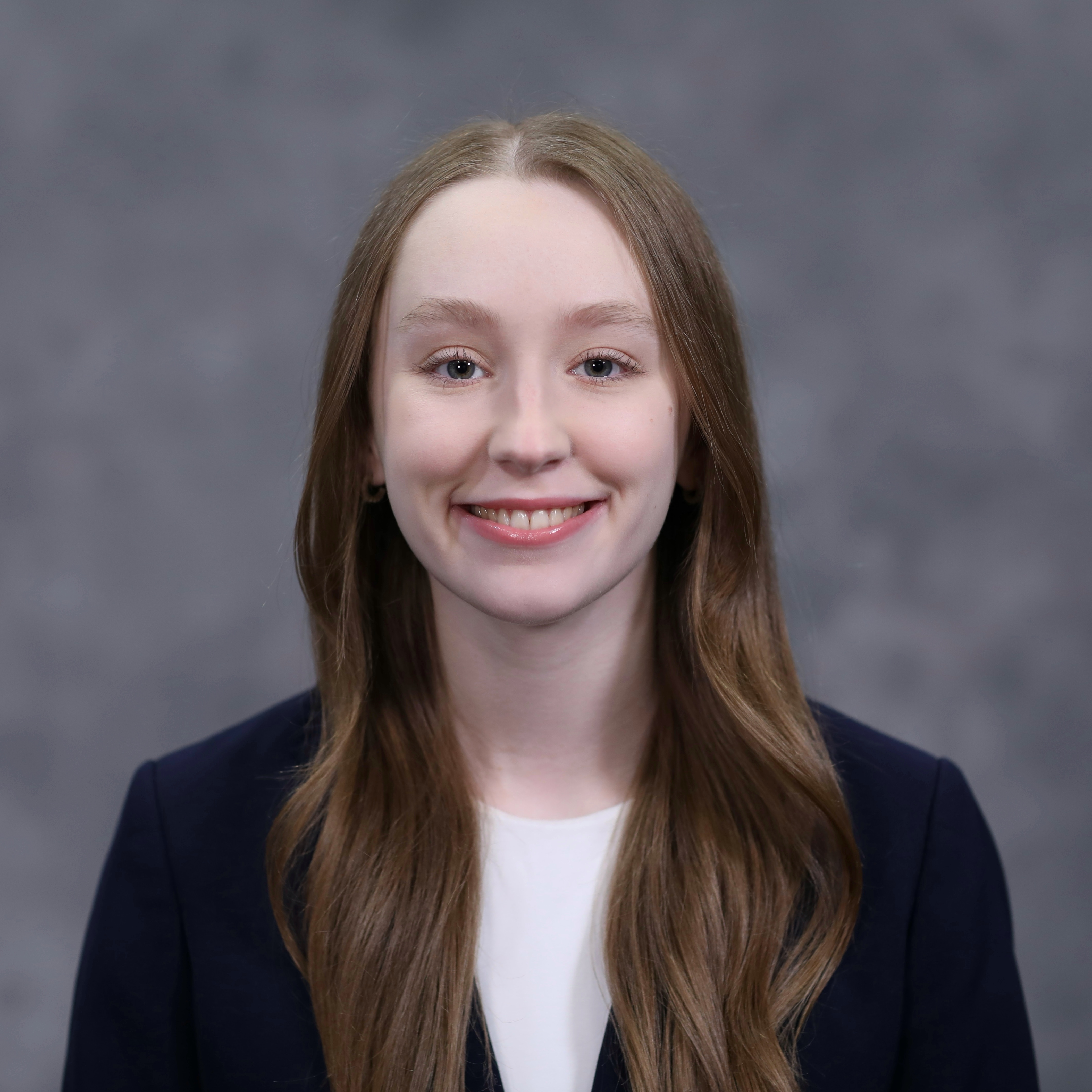
Melanie Klein
Melanie is a data scientist and recent graduate of American University with a focus on the intersection of data, technology, and policy. She has both technical and policy experience in the executive and legislative branches, the nonprofit sector, and academia.
Subject Matter Experts

Chris Marcum
Former White House Official
Christopher Steven Marcum, Ph.D., is a Senior Advisor for Federal Data Policy at the Federation of American Scientists. An open science leader with over 80 scholarly publications, he works on information policy and data governance for projects like dataindex.us and essentialdata.us. He formerly served as Assistant Director for Open Science and Data Policy in the White House OSTP, as well as Senior Statistician and Senior Scientist in the White House OMB.

Tai Lung
EJScreen and Tools Team Lead, Office of Environmental Justice and External Civil Rights, US EPA
Tai Lung is an environmental policy, data, and mapping leader with more than 20 years of experience advancing environmental protection. He led EJScreen, EPA's flagship environmental justice screening and mapping tool, for more than a decade until the Office of Environmental Justice closed in 2025. He now co-leads the nonprofit Environmental & Health Data Analysis Trust (EHDAT), developing open, science-based environmental and health data tools to support decision-making by governments, researchers, and communities.

Vi Le
Former Behavioral Scientist at CDC’s National Center for Injury Prevention and Control
Vi D. Le has built her career around strengthening how government uses data to serve the public, with a focus on public health. Most recently, she was a Behavioral Scientist at CDC's Division of Violence Prevention, directing research, evaluations, and technical assistance to improve violence prevention outcomes nationwide. Her work has brought together federal, state, and local government, research institutions, and community-based organizations, spanning issues from intimate partner violence to technology-facilitated violence.